It’s 7:45 AM on a Tuesday. You’re handing your child their school lunch when you spot it: the entire hem on one leg of their new school uniform trousers has come completely undone. There is absolutely no time to break out a needle and thread. You race to the laundry room junk drawer, where you know you have two choices: a tube of fabric glue and a roll of iron-on hem tape. Which one do you grab for a fix that will actually last?
It’s a common dilemma, and the honest answer is: it depends. Both are fantastic no-sew solutions, but they work in fundamentally different ways, which directly impacts how long they last, especially after a trip through the washing machine.
What’s the Difference, Really?
Understanding how each product works is the key to choosing the right one. They might both stick fabric together, but their methods are worlds apart.
- Iron-On Tape (or Hem Tape): This is essentially a web of heat-activated adhesive sandwiched between two pieces of paper or on a roll. You place it between two layers of fabric and press it with a hot iron. The heat melts the adhesive, which then bonds to the surface of the fabrics. It creates a stiff, uniform bond along the path of the tape.
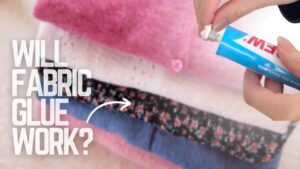
- Fabric Glue: This is a liquid adhesive, often a polymer-based formula, designed specifically for textiles. Instead of sitting on the surface, a good fabric glue like Speed-Sew actually soaks into the fibres of the fabric. As it cures (dries), it creates a bond that is part of the fabric itself. This results in a more flexible, less noticeable repair.
The Longevity Test: How They Hold Up in the Wash
Here’s where the real difference shows. A repair is only as good as its ability to withstand daily life, and for clothing, that means the washing machine and dryer.
Iron-on tape’s biggest weakness is its edges. Because it’s a strip of material bonded to the surface, the corners and edges are points of failure. Over time, the constant agitation of a wash cycle can cause these edges to slowly peel away. High heat in the dryer can sometimes soften the adhesive, accelerating this process. The result is a hem that starts to come undone again, often in patches.
Fabric glue, on the other hand, creates a more permanent, wash-resistant bond when applied correctly. Because it penetrates the fibres, there isn’t really an “edge” to peel up. The bonded area becomes one piece. A quality, flexible fabric glue is designed to move and stretch with the garment, so it doesn’t crack or pull apart under stress. This is why for most clothing repairs, particularly on items that are washed frequently like kids’ clothes or work jeans, fabric glue is the superior choice for longevity.
When Iron-On Tape is the Right Choice
Despite its long-term drawbacks, iron-on tape has its place. It’s incredibly fast and creates a very crisp, straight edge, which can be perfect for the hems of dress slacks or curtains made from non-stretch materials. If you need a temporary fix or are working with a very straight-edged project where flexibility isn’t a concern, tape is a perfectly fine option.
When Fabric Glue is the Better Long-Term Solution
For almost everything else, fabric glue offers a more durable, lasting repair. Its flexibility makes it ideal for:
- Hems on knit or stretch fabrics: Think yoga pants, t-shirt sleeves, or any garment that needs to move with you. Tape will create a stiff line that restricts stretch, while glue will flex.
- Applying patches: Whether it’s a scout badge on a uniform or a denim patch on a knee, glue provides a full-surface bond that won’t have edges to snag and peel.
- Fraying seams and small tears: A dab of glue can stop a fray in its tracks and hold a small tear together through countless washes.
Brands like Speed-Sew have been trusted in Canada for over 50 years precisely because the formula was developed to create a permanent, flexible, and washable bond specifically for clothing. You can find it at retailers across the country, from Walmart Canada and Amazon.ca to Michaels and Fabricland.
Fabric-Specific Advice: A Quick Guide
Not all fabrics are created equal. Using the wrong method can lead to a failed repair or even a damaged garment. Here’s a quick reference:
| Fabric/Material | Best Method | Key Warning |
|---|---|---|
| Denim/Cotton | Flexible Glue or Sewing | Must cure fully (24+ hours) before washing to ensure a permanent bond. |
| Stretch Fabric (e.g., Lycra) | Flexible Glue | Iron-on tape will feel stiff, restrict movement, and may peel off quickly. |
| Leather/Vinyl | Specialty Adhesive | The heat from an iron will melt, warp, or permanently damage the surface. Do not use iron-on tape. |
| Delicate Synthetics (e.g., chiffon) | Test First | High heat from an iron can melt or leave a shiny mark. Test glue on a hidden scrap first. |
| High-Stress Seams | Sewing Only | Glue or tape may not be strong enough for crotch seams, backpack straps, or belt loops. |
When Neither is the Answer: Know the Limits
No-sew solutions are incredible, but they aren’t magic. For certain repairs, you’re better off with a needle and thread or calling a professional. Avoid using glue or tape for:
- High-stress seams: Crotch seams, shoulder seams on heavy coats, and backpack straps bear too much weight.
- Large holes: If fabric is missing, glue has nothing to bond to. You need to patch this, ideally by sewing.
- Expensive or delicate garments: For a tailored suit or silk blouse, a professional invisible repair is the safest bet.
- Areas with constant friction: The opening of a pocket or a belt loop that is always being pulled will likely require the strength of thread.
How to Get the Best Results from Your Repair
Whichever method you choose, proper application is everything. For a lasting fabric glue repair, follow these steps:
- Test first: If you’re unsure, apply a small dot to a hidden area (like an inside seam allowance).
- Apply a thin, even layer: Too much glue is a common mistake. It takes longer to dry and doesn’t create a stronger bond.
- Press firmly: After applying the glue, press the two pieces of fabric together for 30-60 seconds to ensure good contact.
- Wipe away excess: Use a damp cloth to clean up any glue that squeezes out before it starts to dry.
- Cure completely: This is the most important step! Let the item sit for at least 24 hours (and up to 72 for heavy fabrics) before wearing or washing. Patience here is the key to permanence.
- Wash with care: Turn the garment inside out and use a gentle cycle. Avoid high heat in the dryer, as it can stress any repair.
A Word on Safety
In Canada, consumer products are regulated under the Canada Consumer Product Safety Act (CCPSA). While many glues are marketed as non-toxic, it’s always wise to check the product label for specific safety guidance and instructions, especially when repairing children’s clothing or doing crafts with kids.
Making the Right Choice
So, back to that 7:45 AM panic. For a quick fix on school trousers that need to last through the playground and multiple washes, fabric glue is your most reliable long-term friend. While tape might get you out the door faster, you’ll likely be repeating the repair in a few weeks. Taking a moment to apply glue correctly and letting it cure will save you time and frustration down the road.
Need a Hand?
Choosing the right product can be tricky. If you have questions about your specific repair project or need advice on the best approach, don’t hesitate to get in touch with us at Speed-Sew. We’re always here to help.
Can you wash clothes repaired with fabric glue?
Does iron-on tape come off in the wash?
Is fabric glue or iron-on tape better for hemming pants?
Can I use a hairdryer instead of an iron for hem tape?
Last updated: 15 July 2026