You’ve just fixed a fallen hem with fabric glue, and it looks perfect. But now comes the real test: the washing machine. Will your repair hold up, or will it fall apart? This is a common concern, but the good news is that high-quality fabric glues are designed to be washable—if you follow the right steps.
This hesitation is completely normal. The world of adhesives is confusing, and terms like “washable” and “permanent” can feel more like marketing promises than practical guarantees. As craft and fabric care experts, we see the results of laundry mishaps all the time. The good news is that high-quality fabric glue is absolutely designed to be washable, but success depends on understanding what that word really means in practice.
The most common mistake is washing a glued item too soon. ‘Dry to the touch’ does not mean cured. Most permanent fabric glues need at least 72 hours, and sometimes up to a week, to fully cure and withstand the stress of a washing machine cycle.
What ‘Washable’ Actually Means on a Glue Label
When a fabric glue bottle says “washable,” it’s making a specific promise: once the adhesive is fully cured, it will not dissolve in water. It’s designed to create a flexible, water-resistant bond that can withstand the agitation and detergents of a typical washing machine cycle. However, this promise comes with a few important conditions that are often overlooked in the rush to get a garment back into rotation.
Think of it like paint. When you paint a wall, it might be dry to the touch in an hour, but you wouldn’t dare scrub it with a sponge. The paint needs days or even weeks to fully cure and harden into a durable, washable surface. Fabric glue works the same way. The bond is formed through a chemical process called curing, where the liquid components evaporate and the polymer chains link together to create a strong, solid film.
The Crucial Difference: Dry vs. Cured
This is the single most important concept for making a glued repair last.
- Dry: This is the initial phase where the solvent (usually water) in the glue has evaporated. The glue is no longer tacky to the touch. This can take anywhere from 30 minutes to a few hours. At this stage, the bond is still very fragile.
- Cured: This is the final phase where the adhesive has reached its maximum bond strength and chemical resistance. This process can take much longer, typically 24 to 72 hours, and sometimes up to a week for heavier applications or denser fabrics.
Washing an item before the glue has fully cured is the number one reason repairs fail. The water and mechanical action of the wash cycle will weaken the partially formed bond, causing the fabric to peel apart.
How to Get a Truly Wash-Proof Result
Success lies in the details. Before you even apply the glue, and certainly before you wash the item, take a close look at the packaging. The manufacturer has provided a road map to a permanent repair—you just need to follow it.

1. Heed the Cure Time
The label will state the required curing time. Do not rush this step. If it says “Allow to cure for 72 hours before washing,” believe it. Find a safe, dry place to lay the garment flat and let the glue work its magic undisturbed. In humid Canadian climates, like coastal B.C. or the Maritimes, you may want to give it an extra 24 hours to be safe.
2. Check the Temperature Limits
Most washable fabric glues are rated for cold water washes. The label will specify something like “Wash in cold water on gentle cycle.” Hot water can soften many adhesives, causing the bond to loosen in the wash. Similarly, high heat from a dryer can have the same effect. Unless the glue explicitly states it is safe for high heat, it’s always best to:
- Wash the garment in cold water (generally below 30°C).
- Use the gentle or delicates cycle to minimize stress on the repair.
- Air dry the item or tumble dry on a “low heat” or “air fluff” setting.
3. Consider the Fabric Type
While many fabric glues are versatile, some are formulated for specific materials. A glue designed for natural fibres like cotton, linen, and denim might not create as strong a bond on slick synthetic fabrics like polyester or nylon. The label will often list the recommended fabric types. For non-porous or very smooth fabrics, you may need a specialty adhesive designed for synthetics to ensure a lasting bond.
Choosing the Right Glue for Your Project
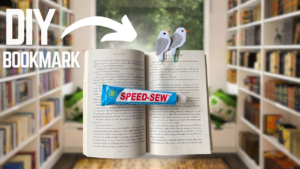
While a versatile all-purpose glue is a great start, matching the adhesive to the material is key. For instance, a reliable cement-style glue like Speed-Sew is excellent for heavy-duty repairs on natural fibres like denim and canvas. For delicate synthetics or stretchy fabrics, a clear-drying, flexible glue like Aleene’s Flexible Stretchable Fabric Glue might be more suitable. You can find these options at most Canadian craft stores like Michaels or department stores like Canadian Tire. Always read the packaging to ensure it’s right for your project.
When to Opt for a Needle and Thread
Even the best washable glue has its limits. For repairs in extremely high-stress areas that are constantly stretching—like the crotch seam of trousers or the underarm of a fitted shirt—a traditional stitched repair is more durable. Similarly, for valuable or irreplaceable garments made of delicate materials like silk or lace, the risk of a glue mishap is often too high. In these cases, sewing remains the gold standard.
Your Go-To for Lasting Repairs
With the right product and proper technique, fabric glue is a fantastic tool for quick, durable, and washable repairs. By respecting the cure time, using the correct water temperature, and choosing a glue suited to your fabric, you can ensure your favourite clothes last longer. Don’t let laundry day intimidate you—let it be proof of a job well done.
Ready to make your next repair last? For a trusted, Canadian-made solution that creates a permanent, flexible, and washable bond on everything from denim to upholstery, try Speed-Sew Premium Fabric Glue. It’s the reliable choice for crafters and households across the country.
Find Speed-Sew at a Canadian retailer near you or buy online today!
How long should I wait to wash fabric after gluing?
Can you put fabric glue in the dryer?
What happens if you wash fabric glue too soon?
Does washable fabric glue work on all fabrics?
Last updated: 21 August 2026