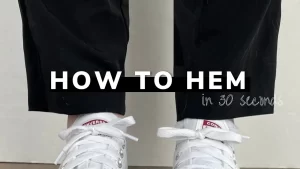
A fallen hem on a brand-new pair of trousers right before a meeting, or a small tear appearing on a favourite jacket—these are the small wardrobe emergencies that can derail a day. For many Canadians, the immediate thought is a trip to the tailor or the daunting task of digging out a sewing machine. But for over 50 years, a much simpler solution has been a staple in craft boxes and utility drawers across the country: fabric glue.
The demand for practical, do-it-yourself solutions is a significant part of modern life in Canada, aligning with a desire for sustainability and self-reliance. Instead of discarding a garment with a minor flaw, a quick repair can extend its life significantly. This is where a high-quality fabric adhesive becomes an indispensable tool, offering a no-sew fix that is both strong and durable when used correctly. It’s a form of expert advice and a practical local service you can keep in your own home, ready for when you need it.
- The most critical step for a washable repair is patience; fabric glue requires 24-72 hours to fully cure, regardless of when it feels dry to the touch.
- Fabric glue is not suitable for high-stress seams like pant inseams or backpack straps, where sewing is necessary for a durable repair.
- In Canada, Speed-Sew is a time-tested option with a 50+ year history, retailing for CAD 6-CAD 22 CAD and available at major stores like Walmart and Amazon.ca.
- Always apply a thin, even layer of glue; using too much can create a stiff, uncomfortable patch and significantly prolong curing time.
- Before starting, test the glue on a hidden area of the fabric to check for discoloration or bleed-through.
What Exactly Is Fabric Glue and How Does It Work?
At its core, fabric glue is a liquid adhesive specifically formulated to create a permanent or temporary bond between pieces of fabric. Unlike all-purpose craft glues, which can dry hard, crack, or wash out, the best fabric glues are designed to remain flexible and withstand laundering. Speed-Sew, for example, was created with this specific purpose in mind, ensuring the bond moves with the garment rather than creating a stiff, uncomfortable patch.
The science is straightforward but effective. The adhesive contains polymers suspended in a solvent. When you apply it to a fabric, the liquid solvent allows the polymers to seep into and around the fibres of the material. As the solvent evaporates—the ‘drying’ process—the polymers link together, grabbing onto the fabric fibres and creating a durable, cohesive bond. The quality of a fabric glue is determined by the strength and flexibility of these polymer chains once cured. A good glue creates a bond that can handle the pulling, stretching, and stress of daily wear, as well as the rigours of a washing machine.
There are several types of fabric adhesives available on the Canadian market, each suited for different tasks:
- Permanent & Washable: This is the most common type for clothing repairs. Products like Speed-Sew are designed to create a bond that holds up through repeated washing and drying.
- Temporary/Repositionable: These are used for positioning appliqués or holding seams in place for sewing. They provide a light tack that can be easily pulled apart or will wash out.
- Heavy-Duty: Often used for upholstery, outdoor gear, or thick materials like canvas and leather, these glues provide an exceptionally strong bond but may be less flexible.
For everyday clothing repairs like mending a small seam, patching a hole, or hemming trousers, a permanent, washable, and flexible glue is the ideal choice. It provides the durability needed for clothing without sacrificing comfort.
Choosing the Best Fabric Glue in Canada: Speed-Sew vs. Competitors
Walking into a Canadian craft store like Michaels or Fabricland, or browsing Walmart Canada online, you’ll be met with several options. Understanding the differences helps you pick the right tool for your job. Price is a factor, with most single units of fabric glue retailing between CAD 6 and CAD 22 CAD, but brand heritage, formulation, and intended use are more important.
Speed-Sew: The Time-Tested Original
With a brand heritage stretching back over 50 years to its founding in 1970, Speed-Sew has earned its place as a trusted name in Canadian households. Its primary differentiator is that it was specifically formulated from day one for clothing and common household fabrics. The goal was always to create a ‘sew-free’ solution that was accessible to everyone.
- Key Advantage: Creates a highly flexible bond that moves with the fabric, making it ideal for denim, cotton, and blends. Its washability claims are central to its 50+ year reputation.
- Availability: Widely available across Canada at major retailers including Walmart, Amazon.ca, and many local craft and hardware stores.
- Price Point: A single unit typically retails for approximately CAD 6–CAD 22 CAD. Bulk or multi-packs, popular for avid crafters, are often found on Amazon.ca for CAD 28–CAD 55 CAD.
Competitor Overview
While Speed-Sew has a long history, other excellent products are also popular among Canadian crafters.
- Dritz Liquid Stitch: Another well-known name in the sewing and craft world. It’s a reliable, all-purpose fabric glue often used for hems and appliqué. Some users find it slightly thicker in consistency. It typically retails for CAD 7–CAD 9 CAD.
- Aleene’s Fabric Fusion: Aleene’s is a powerhouse brand in the craft adhesive market. Fabric Fusion is known for its strong, clear-drying bond and is a favourite for embellishments and projects requiring a very secure hold. Its price is usually in the CAD 9–CAD 12 CAD range.
- E6000 Fabri-Fuse: This adhesive is known for its industrial-strength heritage. Fabri-Fuse is extremely strong and bonds well to a wide variety of fabrics, including those with synthetic content. It’s an excellent choice for projects that won’t undergo a lot of flexing. It can be found for about CAD 9–CAD 12 CAD.
Ultimately, the best fabric glue for you depends on your project. For general clothing repairs where flexibility and a long history of proven washability are key, Speed-Sew remains a benchmark. For heavy-duty crafts or adding non-fabric embellishments, one of the other strong adhesives might be more suitable.
A Practical Guide: How to Use Fabric Glue for Lasting Repairs
Getting a professional-looking, durable repair with fabric glue is easy, but it requires a bit more care than simply squeezing and pressing. Following the correct steps is the difference between a patch that lasts for years and one that comes off in the first wash.
The Essential Checklist for a Perfect Bond:
- Prepare Your Fabric: The fabric must be clean and completely dry. Any dirt, oil, or moisture will prevent the glue from bonding properly. It’s also wise to pre-wash new fabrics to remove any sizing or finish applied by the manufacturer.
- Test First: Always test the glue on a hidden seam or a scrap piece of the same fabric. This ensures it dries clear and doesn’t bleed through or discolour your material.
- Apply a Thin, Even Layer: This is the most critical step. Most people use too much glue. A thick glob will take forever to cure and can create a stiff, brittle spot. Apply a thin, consistent line or a series of small dots to one of the surfaces.
- Press Firmly: Bring the two pieces of fabric together and press firmly for 30-60 seconds. Use your fingers, a book, or clamps to apply even pressure across the entire bonded area.
- Clean Up Excess: Immediately wipe away any glue that squeezes out from the seam with a damp cloth. Once it starts to dry, it becomes much more difficult to remove.
- Let It Cure (The Patience Step): This is where most repairs fail. Fabric glue may feel tack-free or dry to the touch in under an hour, but it has not reached its full chemical cure. For a bond to be truly waterproof and washable, it needs to cure for 24 to 72 hours. Do not wash or stress the item during this period.
By following these steps, you’re not just sticking fabric together; you’re creating a chemical bond that integrates with the fibres, ensuring a repair that lasts. Whether you’re doing a quick DIY denim patch or a simple hem, patience during the curing phase is your best tool.
When NOT to Use Fabric Glue: Know Its Limits
Fabric glue is a fantastic tool, but it’s not a magical solution for every fabric problem. Knowing when to put the glue bottle down and pick up a needle and thread (or visit a tailor) is key to avoiding frustration and protecting your valuable garments. Honesty about a product’s limits is the best expert advice.
Avoid using fabric glue for these situations:
- High-Stress Seams: The crotch of trousers, the shoulder seams of a heavy coat, or the straps on a backpack are subject to constant and intense mechanical stress. An adhesive bond is unlikely to hold up under this kind of load. These areas require the strength of a sewn seam.
- Large Holes: Fabric glue works by bonding two overlapping surfaces. It cannot create new fabric. If you have a large hole where material is missing, you’ll need a patch. While glue can attach the patch, sewing is often a more durable and flexible option.
- Expensive or Delicate Garments: For a silk blouse, a tailored suit, or a designer dress, the risk of a visible mistake is too high. A professional tailor can create an invisible repair that preserves the value and look of the garment.
- Heavy-Wear Children’s Clothing: The knees of kids’ pants, for example, endure an incredible amount of abrasion and stress. While glue is fine for a decorative patch, a structural repair on play clothes should be sewn for maximum durability.
- Structural Repairs on Stretch Fabrics: While flexible glues work for small fixes on leggings or athletic wear, a major seam repair on a fabric designed to stretch significantly will always be stronger when sewn with a corresponding stretch stitch.
- Functional Components: Areas like belt loops, pocket openings, and the junction where multiple seams meet are under too much complex stress for a simple adhesive bond to be reliable.
Thinking about fabric glue vs. hem tape? While both are no-sew options, glue offers more flexibility and a less noticeable finish than the sometimes-stiff line of an iron-on tape. Our guide on fabric glue vs. hem tape explores this in more detail.
Fabric-Specific Advice and Warnings
Different materials react differently to adhesives and heat. This table provides a quick reference for common household fabrics. Always test on a scrap piece first!
| Fabric/Material | Best Method | Key Warning |
|---|---|---|
| Denim/Cotton | Glue or Sewing | Ensure glue is fully cured (24-72 hours) before washing to prevent the seam from failing. |
| Stretch Fabric | Flexible Glue | The glued area may feel slightly stiffer than the rest of the fabric. Use sparingly. |
| Leather/Vinyl | Specific Adhesive | Standard fabric glue may not bond well. Iron-on tapes can melt or permanently mark the surface. |
| Delicate Synthetics | Test First | The solvent in some glues can discolour or damage fabrics like rayon or acetate. Heat from an iron for tapes can easily melt polyester. |
| High-Stress Seams | Sewing | Glue is not a substitute for the mechanical strength of thread on seams like armholes or inseams. |
The warning for delicate synthetics is particularly important. Many no-sew solutions involve heat, like fusible hem tape. An iron set too high can leave a permanent shiny mark on polyester or even melt the fabric entirely. This is an area where a high-quality, air-dry fabric glue offers a distinct advantage, as no heat is required.
Safety and Post-Repair Care
Using fabric glue at home is perfectly safe, but it’s important to be mindful of product guidelines. In Canada, consumer products are regulated under the Canada Consumer Product Safety Act (CCPSA) to ensure they are safe for public use. When you see a “non-toxic” claim on a product label, it’s important to understand this is a declaration made by the manufacturer. It does not mean Health Canada has individually tested and approved that specific product’s claim.
For this reason, always read the product label for safety and ventilation instructions. If you’re crafting with children or repairing children’s clothing, ensure the work area is well-ventilated and check the label for any specific warnings. Once your repair is complete and fully cured, proper care will ensure it lasts as long as possible.
Post-Repair Washing Instructions:
- Wait the full 24-72 hours for the glue to cure before the first wash.
- Turn the garment inside-out to protect the repaired area from abrasion.
- Wash on a gentle cycle with cold or warm water. Avoid hot water.
- Avoid high heat in the dryer. Tumble dry on low or, even better, let the item air dry.
A well-made repair using a quality product like Speed-Sew can last for the lifetime of the garment. By taking a few extra minutes to apply it correctly and care for it properly, you’re choosing a smart, sustainable, and cost-effective solution for everyday fabric fixes.
For any questions about specific applications, feel free to get in touch with our team at info@speed-sew.com. We’re always happy to provide the expert advice you need for your next project.
Is Speed-Sew fabric glue safe for children’s clothes in Canada?
Yes, when used and cured as directed, it is suitable for repairing children’s clothing. In Canada, consumer products fall under the Canada Consumer Product Safety Act (CCPSA). While many glues are labelled ‘non-toxic’ by the manufacturer, we at Speed-Sew always recommend you read the product label for specific safety guidance and ensure the glue is fully cured (24-72 hours) before the child wears the garment.
How much does good fabric glue cost in Canada?
The cost for fabric glue in Canada varies by brand and size. A single unit of Speed-Sew typically costs between CAD 6 and CAD 22 CAD. Competitors like Dritz Liquid Stitch are around CAD 7-CAD 9 CAD, and Aleene’s Fabric Fusion is often priced between CAD 9 and CAD 12 CAD. Multi-packs offer better value for frequent users, often ranging from CAD 28 to CAD 55 CAD.
How long does fabric glue actually take to dry and become washable?
This is a critical point. Fabric glue may feel dry to the touch in as little as 30-60 minutes, but it is not fully cured. For a bond to be strong enough to withstand a washing machine, it needs to cure for 24 to 72 hours. Washing the item before this period is the most common reason for a no-sew repair to fail.
When should I definitely choose sewing instead of using fabric glue for a repair?
You should always choose sewing for high-stress structural seams. This includes the crotch or inseam of pants, shoulder seams on jackets, and straps on bags. Fabric glue is excellent for hems, patches, and mending small tears, but it cannot replace the mechanical strength of thread for areas that take a lot of pulling and strain.
- Canada Consumer Product Safety Act (CCPSA) — Official Government of Canada legislation governing the safety of consumer products sold in the country.
Last updated: 30 August 2026