A ripped hem right before a big meeting or a detached patch on a favorite jacket can feel like a small disaster. For decades, the only answer was a needle and thread, but today’s DIY culture in the US offers more options. When you need a quick and reliable fix, you’re often faced with a choice: fabric glue, iron-on tape, or traditional sewing. Each method has its place, and choosing the right one can mean the difference between a lasting repair and a temporary fix that fails after the first wash.
This guide breaks down the pros, cons, and best uses for each of these three popular fabric repair techniques. We’ll look at durability, cost, and the types of fabric they work best on. Understanding these differences ensures your mending projects are successful, saving you time and extending the life of your favorite clothes. The goal isn’t to replace sewing entirely, but to know when a no-sew alternative is the perfect tool for the job.
For high-stress seams like a backpack strap or the crotch of pants, sewing is always the superior choice for safety and durability. Fabric glue is excellent for hems and patches, but it cannot replace the structural integrity of a stitched seam under constant tension. A failed glue repair on a load-bearing area can happen at the worst possible moment.
The Case for Fabric Glue: Quick & Flexible Repairs
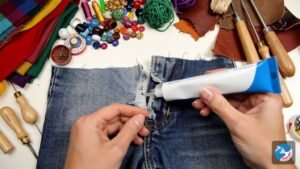
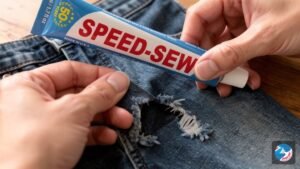
Fabric glue is the modern DIYer’s secret weapon for fast, effective repairs without a single stitch. Its primary advantage is accessibility; anyone can use it without needing to know how to thread a needle or operate a sewing machine. Brands like Speed-Sew, a trusted name in fabric repair since 1970, have formulated adhesives designed to create a flexible bond that moves with the fabric. This makes it ideal for items that need to retain their natural drape and feel. The application is straightforward: apply a thin layer, press the fabric pieces together, and let it cure. This simplicity makes it perfect for last-minute emergencies, like reattaching a fallen hem minutes before leaving the house (though a full cure takes longer).
However, fabric glue is not a universal solution. The main drawback is the required curing time, which can range from 24 to 72 hours for a fully wash-proof bond. Rushing this process is the most common cause of repair failure. Applying too much glue can also be a problem, as it can seep through the fabric, leaving a dark, stiff mark, or prevent the bond from curing properly. While many modern glues are designed for machine washing, they may not hold up as well as stitching under high heat or rigorous wear. It’s a trade-off between convenience and ultimate durability, making it best suited for low-stress applications like patches, appliqués, and hems on most everyday garments. The key is to use a thin, even layer and give it the full time it needs to set.
Iron-On Tape: The No-Mess, Straight-Edge Solution
Iron-on hem tape, also known as fusible bonding web, offers a different kind of no-sew convenience. Its biggest selling point is the clean, crisp finish it provides, especially for straight hems on trousers and skirts. Unlike liquid glue, there’s no risk of oozing or messy application. You simply place the tape between the fabric layers and press with a hot iron. The heat melts the adhesive, fusing the fabric together almost instantly. This method is incredibly fast, with no lengthy curing time required. Once it cools, the bond is secure and ready to wear, making it a fantastic option for quick alterations.
Despite its neatness, iron-on tape has its limitations. The primary requirement is an iron and an ironing board, which aren’t as readily available as a small tube of glue. More importantly, the bond it creates can be quite stiff. This is fine for structured trousers but can ruin the drape of a flowy skirt or a soft t-shirt. There’s also a significant risk of damaging delicate or synthetic fabrics. Materials like nylon, silk, or vinyl can melt, scorch, or be permanently marked by the high heat required to activate the tape. It’s crucial to test the iron on an inconspicuous area first. While strong, the bond can sometimes weaken over many wash cycles, and it’s less suitable for thick, heavy fabrics like denim or canvas where a deeper bond is needed. It’s a specialized tool that excels at creating sharp, straight hems on compatible fabrics.
Traditional Sewing: The Gold Standard for Strength and Durability
In the contest of fabric repair, traditional sewing remains the of strength and longevity. A properly stitched seam, whether done by hand or machine, integrates into the fabric itself, creating a repair that is as strong, flexible, and durable as the original garment. Sewing is versatile, capable of handling everything from the sheerest silks to the heaviest canvas. It’s the only truly viable method for repairing high-stress areas like the crotch of pants, tears along a seam, or reattaching a load-bearing strap on a bag. For valuable or beloved garments, a careful sewing job can be virtually invisible, preserving the item’s original look and feel in a way that glue or tape rarely can.
The obvious downside is the skill and time required. Hand sewing takes practice to create small, even stitches, and a sewing machine represents a significant investment in both cost and space. A simple repair can become a time-consuming project, involving setup, stitching, and finishing. For those who have never learned to sew, the barrier to entry can be high, making it an impractical solution for a quick fix. Furthermore, while sewing is strong, a poorly executed stitch can be just as problematic as a bad glue job, potentially puckering the fabric or creating a weak seam that unravels. It is the best method, but its quality is entirely dependent on the skill of the person holding the needle. This is why many people in the US who own sewing machines still keep fabric glue on hand for those smaller, less critical repairs where speed is more important than structural perfection.
Head-to-Head: Glue vs. Tape vs. Sewing in the US
Choosing the right repair method comes down to balancing four key factors: cost, speed, durability, and the specific job at hand. For many households across the US, having options for different scenarios is the most practical approach. A tube of fabric glue and a roll of hem tape are inexpensive additions to a home repair kit, while sewing skills offer the ultimate in repair capability. Let’s compare them directly to see where each one wins.
The initial cost of no-sew options is very low, making them highly accessible. Sewing, on the other hand, can be free if you already have the supplies, but the initial investment in a machine and accessories can be substantial. Speed is where glue and tape clearly outperform sewing for simple tasks. However, for structural repairs, the time spent sewing is an investment in durability that no-sew methods cannot match. Below is a breakdown of how they stack up in 2026.
| Method | Typical Cost (US) | Speed | Best For |
|---|---|---|---|
| Fabric Glue | ~$4 – $18 per tube (e.g., Speed-Sew, Aleene’s Fabric Fusion ~$6-7, Dritz Liquid Stitch ~$5) | Fast application, but 24-72 hour cure time | Hems, patches, crafts, loose trim |
| Iron-On Tape | ~$3 – $8 per roll | Very fast; instant bond once cooled | Straight hems on trousers and skirts |
| Sewing | Minimal (thread) to $150+ (machine) | Slowest method; requires setup | Structural seams, high-stress areas, valuable garments |
When NOT to Use Fabric Glue (And What to Do Instead)
While fabric glue is incredibly versatile, knowing its limits is key to avoiding a repair that fails. For certain situations, glue is simply not the right tool, and opting for it can lead to disappointment or even ruin the garment. It’s crucial to assess the repair before reaching for the tube. In these cases, sewing is almost always the recommended alternative for a safe and permanent fix.
Here are the scenarios where you should put the glue aside and pick up a needle and thread:
- High-Stress Seams: This is the most important rule. Areas that are under constant tension, such as the crotch and inner thigh seams of pants, shoulder seams, or where backpack straps attach, require the strength of stitching. Glue may hold initially but will likely fail under repeated strain.
- Large Holes or Missing Fabric: Fabric glue is designed to bond two overlapping surfaces together. It cannot bridge a gap or create new fabric. For a hole, you need a patch, which should ideally be sewn on for durability.
- Expensive or Delicate Garments: On high-end clothing made from silk, chiffon, or fine wool, a mistake with glue can be permanent and visible. Professional tailoring or careful hand-sewing is the safest bet to preserve the value and appearance of the item.
- Clothing for Rough Play: Children’s play clothes endure a tremendous amount of stress. Knees of pants, elbows of shirts, and seams on activewear are best repaired with sturdy sewing.
- Very Stretchy Fabrics: While some glues are flexible, they may not match the extreme stretch of materials like spandex or activewear knits. A stitched seam using a stretch stitch will move with the fabric properly.
- Structural Openings: Areas like belt loops, pocket openings, and buttonholes take a lot of direct pulling and stress. These must be sewn to be functional and durable.
Fabric-Specific Repair Guide
Not all fabrics are created equal, and they react differently to heat, adhesives, and needles. Choosing the right repair method often depends on the material of your garment. Using the wrong technique can lead to a stiff patch, a melted hole, or a bond that just won’t hold. Always test your chosen method on a hidden seam allowance or a scrap piece of the same fabric if you’re unsure.
This table provides a quick reference for common materials. Remember that these are general guidelines, and the specific weave and weight of the fabric can influence the best approach. When in doubt, start with the least invasive method.
| Fabric/Material | Best Method | Key Warning |
|---|---|---|
| Denim / Cotton | Glue or Sewing | If using glue, allow it to cure fully before washing to ensure a strong bond. |
| Stretch Fabric (e.g., Jersey) | Flexible Glue or Stretch Stitch | Iron-on tape will restrict stretch and can feel stiff or pucker. |
| Leather / Vinyl | Specific Leather/Vinyl Adhesive | Standard fabric glue may not bond. Never use an iron; it will melt or damage the surface. |
| Delicate Synthetics (e.g., Nylon) | Test Glue First / Hand Sew | Heat from an iron will melt or permanently mark the fabric. Glue can bleed through sheer material. |
| High-Stress Seams | Sewing Only | Glue and tape lack the structural strength for load-bearing areas and will likely fail. |
After the Fix: Care Instructions for Lasting Repairs
Completing the repair is only half the battle; proper care ensures your fix lasts. This is especially true for no-sew methods, which rely on a chemical bond rather than physical stitches. Rushing the after-care process is a common mistake that can undo all your hard work. Whether you’ve used glue or tape, following a few simple steps will maximize the durability of your repair and keep your garment looking great for longer.
Follow this checklist for any repair made with fabric glue or iron-on tape:
- Apply a Thin, Even Layer: When using glue, less is more. A thick glob will not cure properly and can create a stiff, uncomfortable spot.
- Press Firmly: After applying glue or placing tape, press the fabric pieces together firmly for 30-60 seconds to ensure good contact and a strong initial bond.
- Remove Excess Glue Immediately: If any glue oozes out, wipe it away with a damp cloth before it starts to dry. Once dry, it’s much harder to remove.
- Cure Completely: This is the most critical step for glue. Allow 24-72 hours for the adhesive to fully cure before subjecting it to stress or washing. Check the product label for specific times.
- Wash with Care: For the first few washes, turn the garment inside-out and use a gentle cycle with cold water. This reduces stress on the repaired area.
- Avoid High Heat: High heat from a dryer can weaken some adhesives over time. Tumble dry on low or, even better, let the garment air dry.
- Always Test First: If you are unsure how a fabric will react, always test the glue or tape on a hidden area like an inside seam or a matching fabric scrap.
Ultimately, the best repair method is the one that fits the fabric, the damage, and your skill level. Having a reliable fabric glue like Speed-Sew in your drawer provides a powerful, fast solution for the majority of everyday clothing mishaps. For those other times, knowing when to switch to tape or a needle and thread makes you a true repair expert. Ready to add a no-sew solution to your toolkit? You can find Speed-Sew and other repair essentials with convenient online shopping in the US, often with fast delivery services.
Are fabric glues sold in the US regulated for safety?
Yes, craft supplies sold in the United States, including fabric glues, fall under the general safety standards set by the Consumer Product Safety Commission (CPSC). While the CPSC doesn’t endorse specific brands, manufacturers must ensure their products are safe for consumer use. Always check the product label for manufacturer-declared ‘non-toxic’ claims and specific safety guidance, especially if the item is for children’s clothing or if children are helping with the craft.
What is the typical cost difference between glue, tape, and sewing for a repair in 2026?
For a single repair, fabric glue and iron-on tape are very affordable, typically costing between $4 and $8 for a product that can be used for multiple fixes. Speed-Sew, for instance, is available in various sizes with prices from $4 to $18. Sewing has a very low per-repair cost if you already own the supplies (just the cost of thread), but the initial investment in a quality sewing machine can be $150 or more, making it the most expensive option to get started with.
How does fabric glue work and how long does it take?
Fabric glue works by creating a chemical bond between fabric fibers. You apply a thin layer of the adhesive to one surface, press the two pieces of fabric together, and the adhesive cures as it dries. While the initial application takes only a minute, the crucial part is the curing time. For a durable, washable bond, most fabric glues, including Speed-Sew, require 24 to 72 hours to cure completely before the garment can be worn or washed.
When should I definitely choose sewing over a no-sew method?
You should always choose sewing for any repair on a high-stress or load-bearing part of a garment. This includes seams in the crotch or seat of pants, shoulder seams that bear weight, and any straps on bags or clothing. No-sew methods like glue and tape do not have the structural integrity to withstand the constant pulling and flexing that these areas endure, making sewing the only safe and durable option.
- Consumer Product Safety Commission (CPSC) — Official US government agency responsible for consumer product safety regulations.
Last updated: 25 June 2026