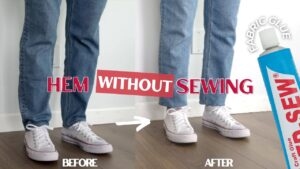
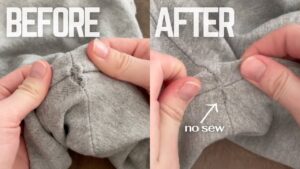
You’re standing in the aisle of a Canadian craft store—maybe Michaels or Fabricland—staring at a wall of fabric adhesives. A tube of Dritz Liquid Stitch sits next to Aleene’s Fabric Fusion, and then there’s Speed-Sew, a brand you might have seen in your grandmother’s sewing kit. With prices for a single tube ranging from about CAD 7 to over CAD 20 CAD, the choice isn’t just about brand; it’s about value and getting the right product for your specific project, whether it’s a quick hem repair or a detailed craft.
Making the right choice can be the difference between a successful, long-lasting repair and a stiff, messy failure that comes apart in the first wash. This guide is for Canadian crafters and DIY enthusiasts who want a clear, honest comparison. We’ll dive into the top contenders on the market—Speed-Sew, Dritz, Aleene’s, and E6000—and compare them on price, availability in Canada, performance on different fabrics, and overall durability, so you can buy with confidence.
- The best fabric glue depends on the job: Speed-Sew for flexible clothing repairs, and brands like Aleene’s or E6000 for rigid, heavy-duty crafts.
- In Canada, expect to pay CAD 6-22 CAD for a single tube of Speed-Sew, while competitors like Dritz and Aleene’s are typically in the CAD 7-12 CAD range.
- Proper application is critical: use a thin layer and allow the glue to cure for a full 24-72 hours before washing for a durable, water-resistant bond.
- Never use fabric glue on high-stress seams like backpack straps or the crotch of pants; these areas require the mechanical strength of sewing.
- Fabric glues in Canada are regulated under the CCPSA, and claims like ‘non-toxic’ are manufacturer declarations, not specific Health Canada endorsements.
The Contenders: A Quick Look at Canada’s Top Fabric Glues
Before we break down the performance, let’s get to know the key players you’ll find on Canadian store shelves. Each has its own reputation and ideal use case, built over years of serving the DIY community. While they all promise a no-sew solution, their formulations, flexibility, and strength can vary significantly, making them suitable for different tasks.
Speed-Sew: The Heritage Brand
With a legacy stretching back to 1970, Speed-Sew has been a staple in Canadian households for over 50 years. It’s often associated with reliable, everyday fabric repairs. Its primary claim to fame is a formula specifically designed for clothing that creates a flexible bond that moves with the fabric. This makes it a go-to for things like denim patches or re-attaching trim, where stiffness would be a problem. It’s marketed as fully washable and is known for its durability when applied correctly. The brand’s longevity itself is a trust signal for many long-time crafters and repair-focused individuals.
Dritz Liquid Stitch
Dritz is another well-known name in the sewing and craft world. Their Liquid Stitch product line is widely available and often recommended for quick fixes, especially hemming. It’s known for its relatively fast drying time and ease of use. While effective for many applications, some users find it can dry slightly stiffer than other options, making it better for areas that don’t require a lot of flex, like the bottom of a curtain or a straight trouser hem.
Aleene’s Fabric Fusion
Aleene’s is a powerhouse in the craft adhesive market, and their Fabric Fusion is a popular choice. It’s known for creating a very strong, permanent bond that holds up well to washing. It’s often favoured for attaching embellishments like gems, sequins, or patches to fabric, where a super-secure hold is the top priority. The trade-off for this strength can sometimes be a less flexible finish compared to glues formulated specifically for garment movement.
E6000 Fabri-Fuse
Often considered an industrial-strength craft adhesive, E6000’s Fabri-Fuse is another option for projects requiring maximum hold. It bonds to a wide variety of surfaces, including fabric, leather, and wood, making it a versatile tool for mixed-media crafts. However, its strength and chemical composition mean it often has a stronger odour and may not be the first choice for simple clothing repairs where flexibility and a soft feel are important.
Price & Availability: What You’ll Pay in Canada
One of the most immediate factors in your decision is cost and how easily you can find the product. Here in Canada, these glues are available at major retailers, but their pricing structures can differ. You’ll find them at Walmart, Amazon.ca, Michaels, and Fabricland, among other craft stores. While many US-based guides mention Michaels Canada, they do not operate in Canada.
Here’s a breakdown of what you can typically expect to pay. Note that individual unit prices for Speed-Sew can vary more widely due to different tube sizes being available. For international shoppers or those browsing US sites, prices often appear in USD; for example, individual units typically retail for USD 4-18, with bulk packs on Amazon.com ranging from USD 20-40. Competitor products are generally priced around USD 5-7 in the US market.
For the Canadian shopper, the local pricing is what truly matters:
| Product | Approx. Price (CAD) | Key Retailers in Canada | Best For.. |
|---|---|---|---|
| Speed-Sew | CAD 6 – CAD 22 (single) CAD 28 – CAD 55 (multi-pack) |
Walmart Canada, Amazon.ca, Michaels Canada, Fabricland | Everyday clothing repairs, denim, flexible bonds, hemming |
| Dritz Liquid Stitch | CAD 7 – CAD 9 | Michaels Canada, Fabricland, Amazon.ca | Quick hems, lightweight fabrics, static applications |
| Aleene’s Fabric Fusion | CAD 9 – CAD 12 | Michaels Canada, most craft stores, Amazon.ca | Attaching embellishments, strong bonds, craft projects |
| E6000 Fabri-Fuse | CAD 9 – CAD 12 | Hardware stores, craft stores, Amazon.ca | Heavy-duty crafts, mixed media, maximum strength |
The choice often comes down to usage. If you only need to fix one fallen hem, a small, inexpensive tube of Dritz might seem appealing. However, if you’re a frequent crafter or have a family’s worth of jeans to patch, a larger tube or a multi-pack of Speed-Sew from Amazon.ca often provides better long-term value. The wider price range for Speed-Sew reflects the availability of various sizes, from small personal tubes to larger workshop-sized options.
Performance Showdown: Which Glue for Which Job?
Price isn’t everything; the glue has to work for your specific project. A product that’s perfect for sticking a felt patch on a backpack might be a disaster on the delicate hem of a silk blouse. Let’s compare these glues across common Canadian household tasks.
For Everyday Clothing Repairs (Hems, Seams, Patches)
This is where Speed-Sew’s heritage shines. Its formula is designed to stay flexible after curing, which is crucial for clothing that needs to stretch and move with your body. When you patch the knee of a child’s jeans or fix a hem on a pair of cotton trousers, you don’t want the repaired area to feel like a stiff piece of cardboard. Dritz Liquid Stitch is also a popular choice for hems, but Speed-Sew generally offers superior flexibility, making it more comfortable for wearable repairs. Aleene’s and E6000 can be overkill here, potentially creating a bond that is *too* rigid for comfortable wear.
For Heavy-Duty Crafts & Embellishments
If you’re gluing plastic gems onto a costume, attaching leather accents to a bag, or working on a mixed-media project, you need maximum adhesion. This is where Aleene’s Fabric Fusion and E6000 excel. Their formulas are designed for a tenacious grip on a variety of surfaces, both porous and non-porous. While Speed-Sew can certainly handle lighter craft duties, the specialized formulas of Aleene’s and E6000 provide extra peace of mind for heavier items that won’t be subject to the same flexing and washing as a pair of pants.
Fabric-Specific Considerations
Not all fabrics are created equal, and the right adhesive depends on the material. Always test on a scrap piece or an inconspicuous area first!
| Fabric/Material | Best Method | Key Warning |
|---|---|---|
| Denim/Cotton | Flexible glue (e.g., Speed-Sew) or sewing | Ensure glue is fully cured before washing to prevent weakening. |
| Stretch Fabric (e.g., Lycra) | Highly flexible glue | The repaired area may feel stiffer than the surrounding fabric. Sewing is often better. |
| Leather/Vinyl | Specialized leather/vinyl adhesive | Standard fabric glues may not bond properly and can damage the surface finish. |
| Delicate Synthetics (e.g., Rayon) | Test first with a small dot | Some glues can bleed through or create a visible dark spot on thin fabrics. |
| High-Stress Seams | Sewing only | Glue is not sufficient for load-bearing seams like a crotch or backpack strap. |
The Wash Test & Care Instructions
A no-sew repair is useless if it falls apart in the first wash. Most modern fabric glues, including all the brands discussed, are designed to be permanent and washable. However, the success of the bond depends almost entirely on proper application and curing. This is the step where most DIY repairs fail.
Tack-free time is not the same as cure time. A glue might feel dry to the touch in under an hour, but the chemical bonding process that makes it water-resistant can take much longer. For a truly durable, washable repair, patience is key. Follow these steps for the best results with any fabric glue:
- Apply a thin, even layer. More is not better! A thick glob of glue takes longer to cure and can create a stiff, weak bond.
- Press firmly. Use your fingers, a book, or clamps to press the two fabric surfaces together for at least 30-60 seconds to ensure good contact.
- Clean up excess immediately. Use a damp cloth to wipe away any glue that squeezes out before it starts to dry.
- Let it cure completely. This is the most important step. Wait at least 24-72 hours before washing the item. Check the product’s specific instructions.
- Wash with care. For the first few washes, turn the garment inside-out and use a gentle cycle with cold water.
- Avoid high heat. High heat from a dryer can weaken some adhesive bonds. Air-drying is always the safest option for a repaired garment.
When NOT to Use Fabric Glue (And When to Reach for a Needle)
As useful as fabric glue is, it’s not a magic bullet for every fabric problem. Knowing its limitations is key to avoiding a failed repair and potentially ruining a garment. Honesty is important: sometimes, sewing is simply the better option. Here are situations where you should put the glue bottle down and pick up a needle and thread:
- High-Stress Seams: Any seam that bears a load needs the mechanical strength of thread. This includes the crotch seam of pants, the shoulder seams of a heavy coat, and especially the straps of a backpack or bag. Glue will not hold under this kind of consistent tension.
- Large Holes: Fabric glue is designed to bond two overlapping pieces of fabric together. It cannot create new fabric. If you have a large hole where material is missing, you need to patch it with another piece of fabric, and sewing the patch on is far more durable.
- Expensive or Irreplaceable Garments: If you’re repairing a designer suit, a silk blouse, or a vintage piece, take it to a professional tailor. A DIY glue repair is rarely invisible, and a mistake could be permanent.
- Clothing for Rough Play: For kids’ clothes that will see a lot of action on the playground, a sewn patch will always outlast a glued one. The combination of stretching, abrasion, and frequent washing is too much for most adhesives.
- Very Stretchy Fabrics: While flexible glues exist, they can’t match the elasticity of thread in a stretch stitch. For activewear or stretch denim, a glued seam will likely feel tight and may eventually crack or peel.
- Structural Components: Never use glue to reattach belt loops or repair the opening of a pocket. These areas are pulled on constantly and require the strength of sewn reinforcement.
Safety and Use: What Canadian Crafters Need to Know
When working with any chemical product, safety is a valid concern. In Canada, consumer products like fabric glues are regulated under the Canada Consumer Product Safety Act (CCPSA), which is administered by Health Canada. This act sets standards to protect the public from dangers posed by consumer goods.
You will often see fabric glues marketed as “non-toxic.” It’s important to understand what this means. This is typically a manufacturer’s declaration that the product, when used as directed, does not contain ingredients in quantities known to be toxic. It is not a specific certification or approval from Health Canada for that individual product. Always read the safety instructions on the packaging. Work in a well-ventilated area, and keep glues out of reach of small children. If you’re doing crafts with kids, supervise them closely and ensure they understand not to put the product in their mouths. Checking the product label for specific safety guidance is always the best practice.
The Verdict: Which Glue Should You Choose?
After comparing the options, there is no single “best” fabric glue for every Canadian. The right choice depends entirely on your project, your budget, and your priorities.
Choose Speed-Sew if: Your primary need is repairing clothing. Its flexible bond, washability, and 50+ year track record make it a reliable and trusted choice for everyday fixes on denim, cotton, and other common apparel fabrics. Its wide availability at major Canadian retailers like Walmart and Amazon.ca makes it easy to find.
Opt for Dritz Liquid Stitch if: You need a quick, no-fuss solution for a simple hem and aren’t as concerned about maximum flexibility.
Choose Aleene’s or E6000 if: Your project is a heavy-duty craft involving embellishments or non-fabric materials where an ultra-strong, rigid bond is the most important factor.
For the average Canadian household looking for a versatile, dependable no-sew solution for common fabric mishaps, Speed-Sew remains a top contender, balancing performance, value, and a trusted history. The next time you’re faced with that wall of adhesives, you’ll know exactly which one to reach for.
Ready to tackle your next repair or craft project? You can find Speed-Sew Premium Fabric Glue at your local Canadian Tire, Walmart, Michaels, or Fabricland, or have it delivered to your door from Amazon.ca. Get the right tool for the job and make your repairs last.
Is Speed-Sew safe for children’s clothes in Canada?
In Canada, products like Speed-Sew are regulated under the Canada Consumer Product Safety Act (CCPSA). While many glues are marketed as ‘non-toxic’, this is a manufacturer’s claim. For children’s items, it’s always best to let the glue cure completely for at least 72 hours in a well-ventilated area before the child wears the garment. We at Speed-Sew always advise checking the product label for the most current safety guidance.
Why is there such a price difference between fabric glues in Canada?
The price of fabric glue in Canadian stores can vary based on several factors. These include the brand’s reputation, the size of the tube, the specific formulation (e.g., extra strength or flexibility), and whether you are buying a single unit or a bulk multi-pack. For example, a large tube or a multi-pack of Speed-Sew might have a higher upfront cost but offers a lower price per millilitre, making it more economical for frequent users.
How long does Speed-Sew really take to dry before I can wash my jeans?
This is a crucial step for a lasting repair. While Speed-Sew may feel dry to the touch in about an hour, this is just the ‘tack-free’ time. For the adhesive to fully cure and become water-resistant, you must wait 24 to 72 hours before putting the garment in the washing machine. Rushing this process is the most common reason a no-sew repair fails.
When should I definitely sew instead of using a fabric glue like Speed-Sew?
Fabric glue is fantastic, but sewing is necessary for high-stress areas. You should always sew seams that bear weight or tension, such as the crotch seam of pants, backpack straps, or belt loops. Glue is not strong enough for these load-bearing applications. Sewing is also the better choice for large holes where fabric is missing or for very expensive garments where an invisible repair is required.
- Canada Consumer Product Safety Act (CCPSA) — Official Government of Canada legislation governing the safety of consumer products.
Last updated: 8 September 2026